

Athlete Adaptability
Programmes
The Athlete Adaptability Programme (AAP) is unique in the New Zealand sporting landscape — distinct from Strength & Conditioning or Personal Training. Built on Constraints-Led Coaching and Learning, AAPs deliver measurable improvements in athleticism, skill adaptability, and movement function.
Enhancing Athleticism & Movement
Functional movement and physical capability
Increasing Skill Adaptability
Perception & Action coupled — CLA method
Tracking Athlete Progress
Data & insights via the Just A Game App Portal
Developed by the Just A Game team, with significant input from Simon Roseingrave, former National Development Plan lead for New Zealand Cricket — the first national body to fully embrace Constraints-Led and Game-Based approaches in resource and coach education design.
Dr Ian Renshaw, former Associate Professor of Skill Acquisition at QUT, Brisbane — a world-renowned leader in CLA design and a founding member of the Constraints Collective, a group of leading experts who have worked with 100+ professional sports organisations globally.
Skill built as a response to game-like situations — the modern approach to development.
Response and perception developed simultaneously, rather than in isolation.
External cues rather than internalised movement — accelerates skill adaptability.
Genuine enjoyment and achievement through purposeful game design.
Adaptability Tracking App


Initial testing establishes baseline data for every athlete. Ongoing testing at intervals aligned to overall AAP length tracks real progress from day one to completion.
Individual statistics and progress reports give each athlete visibility of their own improvement — fuelling motivation and ownership of their development journey.
Participants can be grouped by team, school, or programme. Group-level data and insights allow organisations to track collective progress and programme impact.
Every CLA test game feeds directly into the portal — points, times, and scores captured and visualised to make athlete development tangible and reportable.
Measurement Games
Under a Constraints-Led approach, movement & skill emerge through environment and game design — not in isolation.
Begin with an initial testing session to establish baseline data. Allow a minimum of 4–5 weeks between tests, running programme games in between.
- Initial Testing — Establishes baseline data and insights for every athlete.
- Ongoing Intervals — Testing repeated at intervals aligned to overall AAP length.
- 10–12 Week Typical — Three testing points across a standard programme.
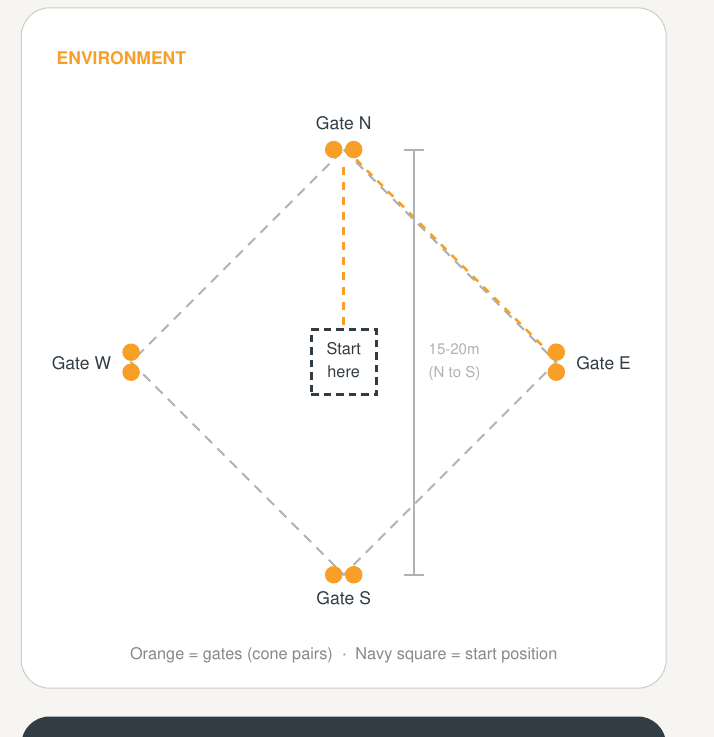
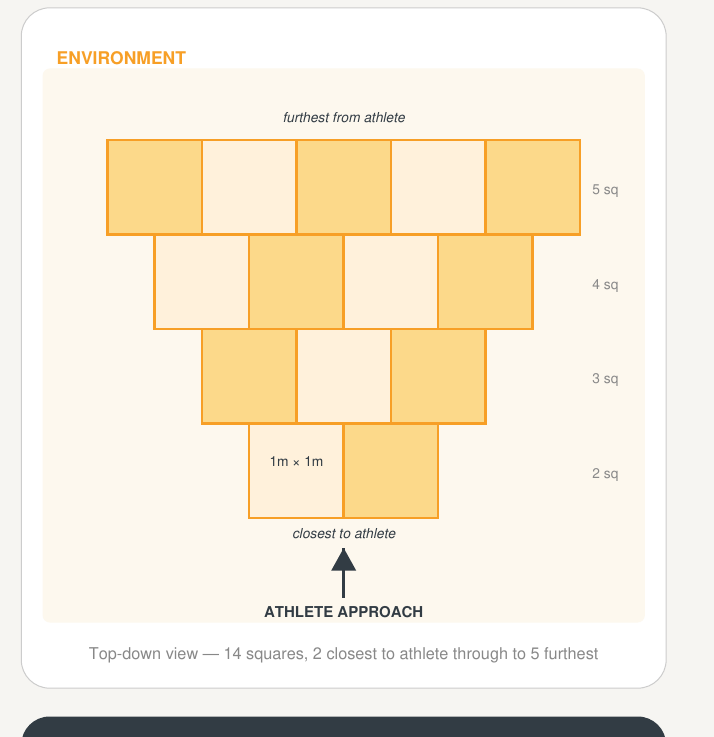
Testing and wider programme design can be developed and altered to suit your setting.
Increasing Skill Adaptability
Anywhere from 6 weeks to 4 terms of the school year, incorporating regular testing to measure progress.
Each session will include games and CLA activities aligned to core development and sport specific needs (where required). Some of these will be athlete selected "Test Games" whilst others are additional Just A Game designed activities. These align to the programme pillars and enhance athlete progression.
Problem Solving
Athletes find their own solutions rather than following rigid instructions. This develops creativity and adaptability.
Autonomy
Freedom to explore different approaches. There is no single "correct" way to solve game problems.
Repetition Without Repetition
Games are never identical, forcing players to adapt their skills and movement to changing situations constantly.
Guiding, Not Telling
Use of questions to direct attention rather than providing all the answers. This builds thinking athletes.
- Full programme delivered by a Just A Game certified CLA facilitator / coach.
- Self-delivered with ongoing Just A Game education, support and resource creation (ensuring it is delivered to the CLA standard expected to benefit the athletes involved).